< Case Studies
test
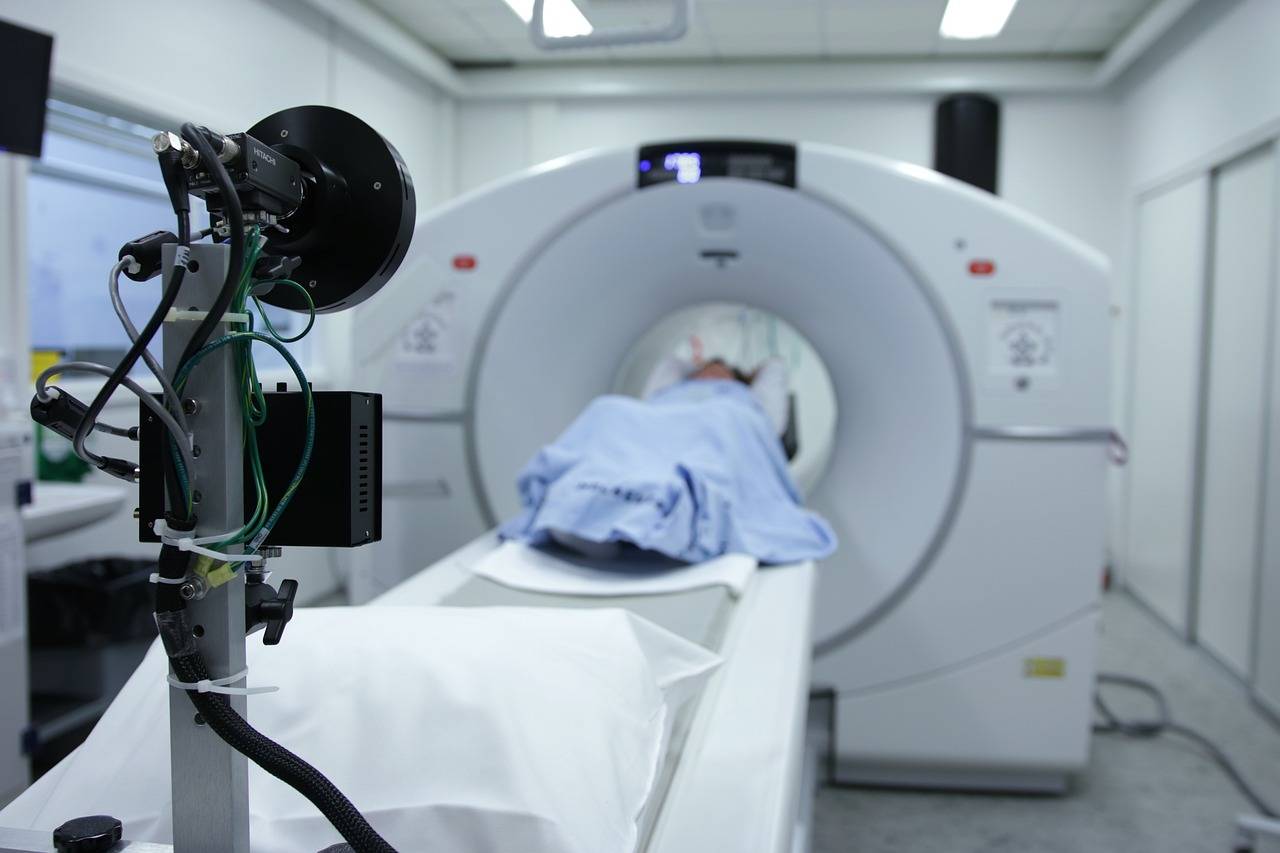
Heart failure doesn’t mean your heart has stopped. It means the heart muscle is too weak or too stiff to pump blood efficiently, leading to poor circulation.
Left-Sided Heart Failure
This
is the most common type. It occurs when the left ventricle doesn’t pump
blood effectively to the rest of the body. Fluid can build up in the
lungs, causing shortness of breath.
Right-Sided Heart Failure
Often
caused by left-sided failure, this form leads to fluid buildup in the
legs, ankles, and abdomen due to back pressure in the circulatory
system.
Heart failure is a progressive disease. If ignored, it can lead to:
Emergency complications like heart attack or stroke.
Severe organ damage due to poor circulation.
Sudden cardiac arrest.
Early detection allows doctors to control symptoms, prevent further damage, and significantly improve survival.
Struggling to catch your breath after minor activity, or even while lying down, could mean fluid is backing up into your lungs.
When to Act: If you find yourself gasping for air during everyday tasks or waking up breathless, seek medical attention promptly.
When your heart can’t deliver enough oxygen-rich blood, your muscles tire quickly, even after a full night’s sleep.
Important Note: Don’t chalk up fatigue to getting older. If it’s persistent and unexplained, get your heart checked.
Right-sided heart failure can cause noticeable swelling in the lower limbs. You may see sock marks or tightness in your shoes.
Watch For: Pitting edema, press on the swollen area. If it leaves an indentation, it could be a sign of fluid overload.
Your heart might start racing or fluttering to compensate for poor circulation. This is often one of the first signs of heart trouble.
Why It Matters: Irregular rhythms increase your risk for stroke and cardiac arrest. Don’t ignore heart palpitations.
A long-lasting cough, especially when lying flat, may mean fluid is collecting in your lungs. You might even hear a bubbling or wheezing sound.
Red Flag: If your cough produces pink or blood-tinged mucus, this could indicate advanced heart failure. Seek urgent care.
A gain of more than 2–3 pounds in a day or 5 pounds in a week, especially without a change in diet, might be fluid, not fat.
What to Do: Track your weight daily. Sudden changes should be reported to your doctor.
Poor blood flow to the digestive system can lead to nausea, bloating, or a sense of fullness. Ironically, you may eat less but still gain weight due to fluid buildup.
When the brain doesn’t receive enough blood, thinking becomes harder. You might feel forgetful or foggy without understanding why.
Don’t Dismiss It: If mental clarity suddenly declines, especially with other symptoms, consider it a potential warning sign of heart failure.
Understanding your personal risk is the first step to prevention.
High blood pressure.
Coronary artery disease.
Previous heart attack.
Diabetes.
Obesity.
Smoking.
Alcohol abuse.
Sedentary lifestyle.
Family history of heart disease.
If your doctor suspects heart failure, you may undergo:
Physical Exam: Checks for swelling, abnormal heart sounds, or signs of fluid in the lungs.
Blood Tests: BNP levels help confirm heart failure; kidney and liver function may also be evaluated.
Electrocardiogram (ECG): Detects irregular heart rhythms and previous damage.
Echocardiogram: Assesses heart size, pumping strength, and valve function.
Chest X-ray: Reveals fluid buildup and heart enlargement.
Stress Test: Evaluates how well your heart functions under exertion.
Lower salt intake.
Limit fluid consumption.
Monitor weight daily.
Avoid alcohol and tobacco.
Stay active with doctor-approved exercise.
ACE inhibitors.
Beta blockers.
Diuretics (water pills).
Aldosterone antagonists.
Digoxin (in select cases).
Pacemakers or ICDs.
Valve surgery or bypass.
Heart transplant (in severe cases).
Women are more likely to report symptoms such as:
Shortness of breath.
Swelling.
Fatigue.
Men may experience more chest pain and physical decline. Since symptoms in women are often more subtle, it's essential to advocate for yourself during medical visits.
Seek medical attention if you notice:
Breathlessness during regular activities.
Swelling in your legs, ankles, or abdomen.
Unexplained weight gain.
Ongoing fatigue.
Irregular heartbeat or palpitations.
A persistent cough that worsens when lying flat.
These signs could indicate heart failure or other cardiovascular issues. Early evaluation means better outcomes.
Schedule regular heart check-ups.
Control blood pressure and diabetes.
Eat a heart-healthy diet low in salt and saturated fats.
Exercise regularly.
Quit smoking.
Limit alcohol consumption.
Monitor your cholesterol levels.
Prevention is better than cure. A healthy heart today means a longer, stronger tomorrow.
If you or a loved one are experiencing early signs of heart trouble, don’t delay. At Tathagat Heart Hospital, we provide comprehensive evaluations, accurate diagnoses, and customized care plans designed to restore your heart health.
Visit us at:
31, Crescent Rd, 1st Floor, Mallige Premises, Bengaluru, Karnataka (560001)
Contact Us:
? +91 9900356000
? tathagathearthospital@gmail.com